
July 2, 2026
If you are getting ready to sell in Springfield, it is easy to wonder where your money will actually help and where it will disappear. You want your home to stand out, attract solid offers, and avoid wasting cash on updates that buyers may not value. The good news is that in today’s Springfield market, smart prep usually beats expensive remodeling. Let’s dive in.
Springfield had 249 homes for sale in May 2026, with a median listing price of $399,000, a 98% sale-to-list ratio, and a median 52 days on market. Active listings were also up 22.92% year over year, while the median listing price was down 10.32% year over year. That means buyers have more options than they did a year ago, so condition and presentation matter.
For you as a seller, this is not a market where overspending is the safest move. It is a market where realistic pricing, clean presentation, and visible upkeep can help your home compete. Buyers are still purchasing, but they are comparing homes carefully and negotiating slightly below asking on average.
Springfield’s median owner-occupied home value is $253,600, and the median year built is 1997. In practical terms, many local homes are around three decades old. Buyers will often notice deferred maintenance, worn finishes, and dated details more quickly than they will reward a major redesign.
If your budget is tight, begin with the things that show up in photos, showings, and first impressions. According to NAR’s 2025 Profile of Home Staging, 73% of buyers’ agents said photos were much or more important to clients. That means cosmetic details that look clean and cared for can have an outsized impact.
NAR’s 2025 Remodeling Impact Report also found that painting the entire home, painting one room, and new roofing were among the seller-prep projects agents most often recommend. The same report says 46% of buyers are less willing to compromise on condition than in the past. In other words, your best prep dollars often go toward visible, practical improvements.
These jobs are usually more affordable than major remodeling, and they help your home feel move-in ready. They also support stronger listing photos, which can improve buyer interest before anyone steps through the door.
If you can only choose one or two projects, paint should be near the top of the list. Fresh paint can brighten a room, hide scuffs, and make a home feel cleaner and better maintained. It is also one of the easiest updates for buyers to notice both online and in person.
In a market like Springfield, where buyers have more choices, clean neutral paint can help your home appeal to a broader audience. It also keeps your prep budget tied to the neighborhood and local value range instead of pushing into upgrades that may not come back at closing.
You do not need to redesign the whole house. You just want it to feel fresh, simple, and well cared for.
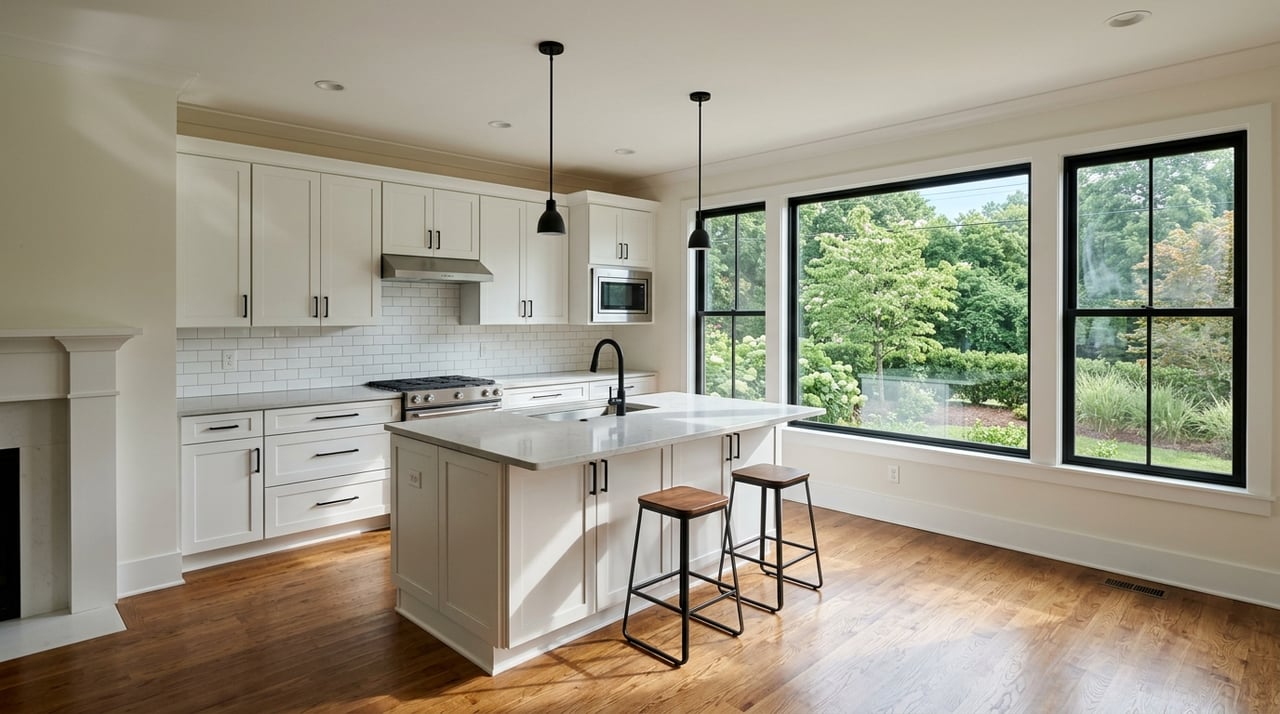
If you are deciding where to spend time staging or refreshing furniture placement, start with the rooms buyers care about most. NAR’s 2025 staging report found that the most commonly staged rooms were the living room, primary bedroom, dining room, and kitchen. Those are also the spaces where buyers often picture day-to-day life.
That does not mean you need designer furniture or a full-service staging package. It means those rooms should look open, clean, bright, and functional. Many sellers can make a strong improvement with decluttering, better lighting, lighter bedding, simple decor, and removing oversized furniture.
NAR also found that 83% of buyers’ agents said staging makes it easier for buyers to visualize a home as their future home. If buyers can picture themselves living there, your home often feels more memorable.
Some sellers hear “staging” and assume it means thousands of dollars. It can, but it does not have to. NAR’s 2025 Profile of Home Staging reported a median spend of $1,500 when a staging service was used, compared with $500 when the seller’s agent personally staged the home.
That makes a simple, strategic approach worth considering. In many cases, a lighter staging plan focused on furniture arrangement, decor editing, and photo-ready presentation can go a long way without turning into a major expense.
Staging may also help your bottom line. Nearly half of sellers’ agents in NAR’s report said staging reduced time on market, and 29% said it led to a 1% to 10% increase in the dollar value offered. In Springfield, where the median home is not competing in a luxury price bracket, a practical staging plan is often more sensible than a major remodel.
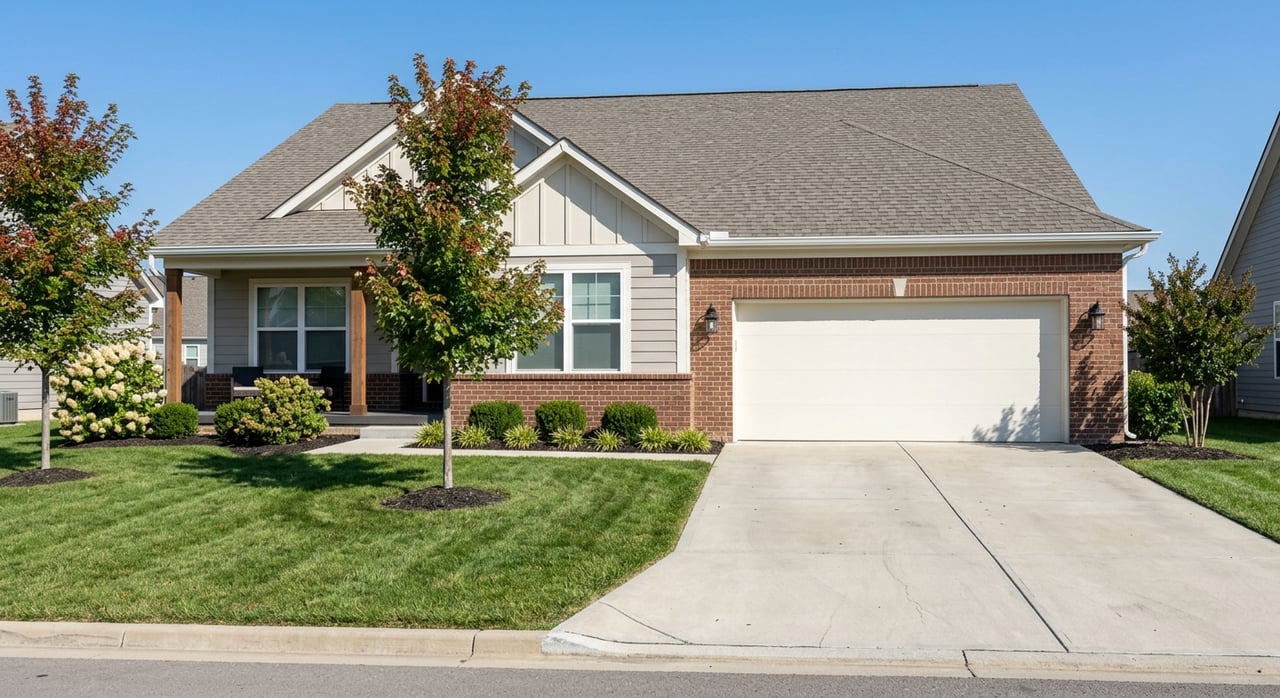
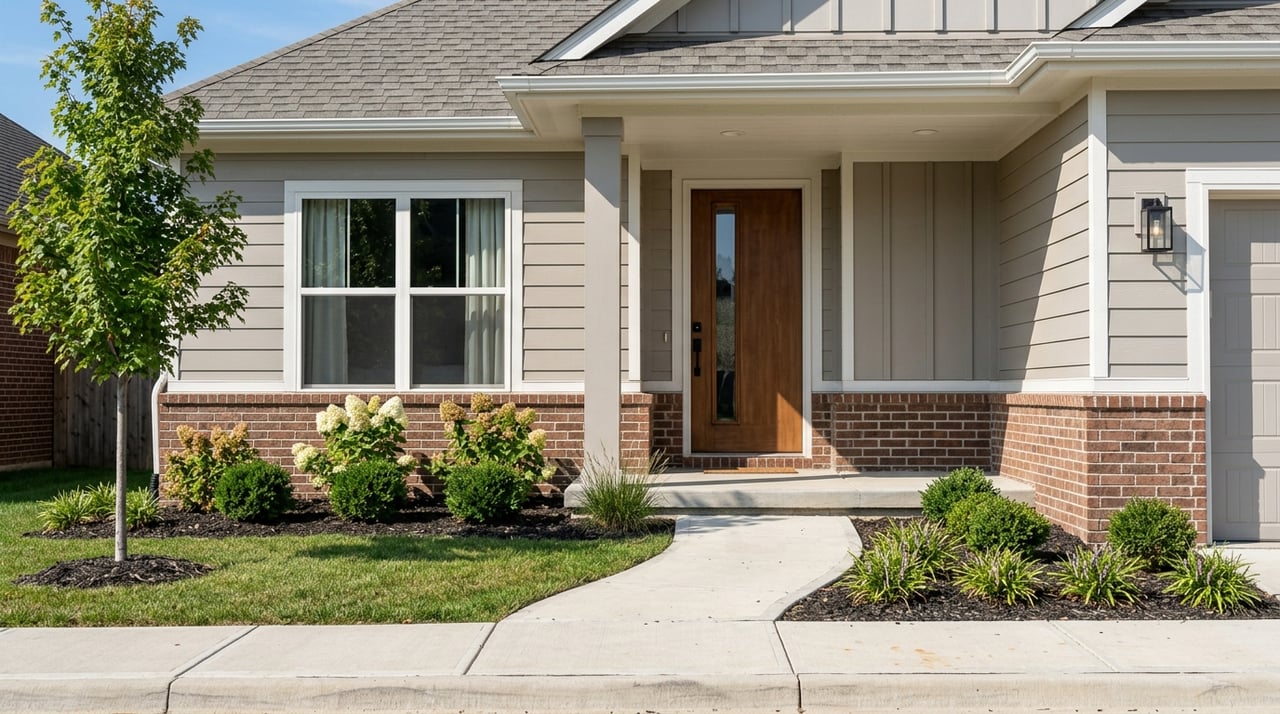
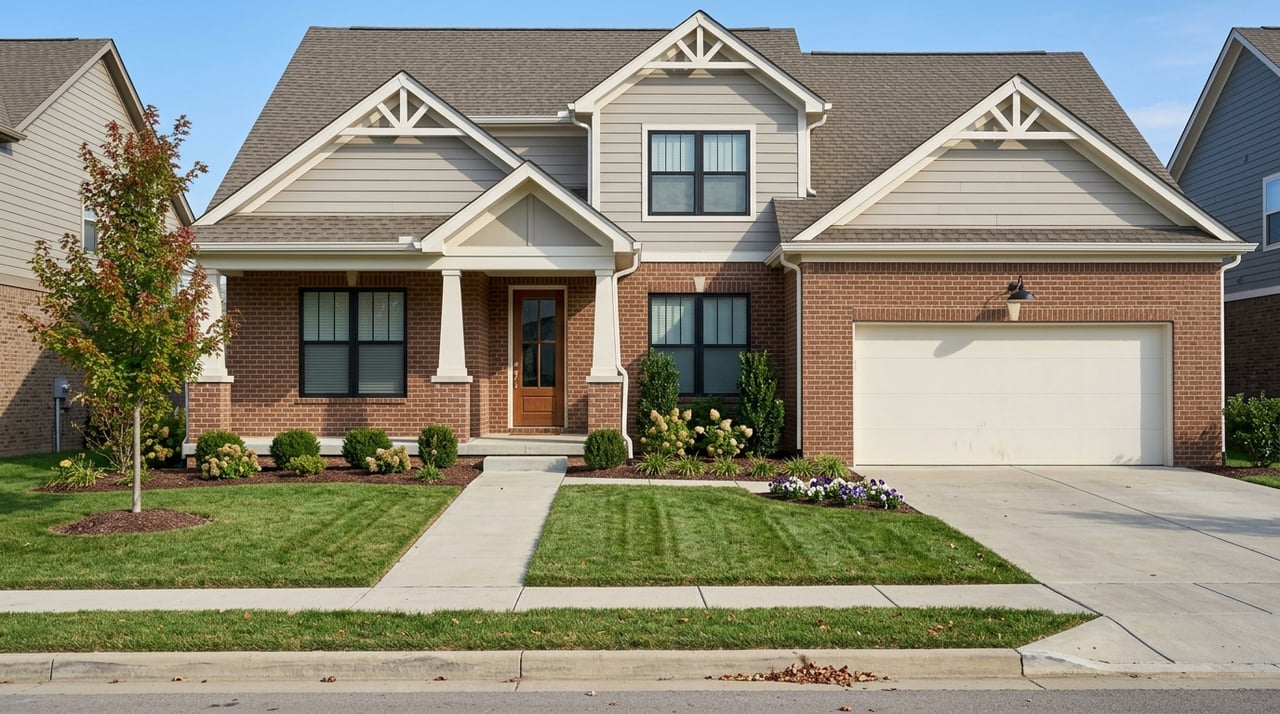
Buyers start forming opinions before they get out of the car. That is why the front entry deserves attention. NAR’s 2025 Remodeling Impact Report included garage doors, new siding, new front doors, and exterior paint among top exterior projects, and it reported 100% cost recovery for a new steel front door.
You may not need a full exterior overhaul, though. In many Springfield listings, smaller front-entry improvements are enough to make the house feel more inviting and better maintained. That is especially helpful when buyers are viewing several homes in one day.
These details help signal that the home has been cared for. That message matters in a market where buyers are already watching condition closely.
Small maintenance issues can quietly hurt your showing feedback. NAR advises sellers to keep air filters clean, entryways tidy, and baseboards fresh because signs of neglect can turn buyers off. A loose handle, scuffed wall, dirty vent, or burned-out bulb may seem minor, but buyers often read those details as a sign that bigger maintenance could be waiting.
This is especially relevant in Springfield, where many homes were built around the late 1990s. Buyers may already expect some normal wear with age, so reducing visible maintenance concerns can help them focus on the home itself instead of on what they will need to fix.
These are not flashy projects, but they can improve confidence during showings.
This is where many sellers lose money. In Springfield’s current market, broad kitchen or bathroom gut renovations are usually harder to justify unless there is a specific condition issue affecting value, financing, or buyer confidence. With more inventory and slightly softer pricing than a year ago, costly pre-list remodels can be risky.
NAR’s seller-prep guidance points more toward painting, front-entry improvements, and basic maintenance than major discretionary remodels. That supports a simple idea: if your goal is to sell efficiently, focus first on what improves marketability now.
If a room is badly damaged or functionally outdated, that is different. But if the choice is between a large remodel and a cosmetic reset, the smaller reset is usually the safer move.
If you are concerned about hidden issues, a seller-funded inspection can be a practical step. It may help you identify problems before a buyer does, which can reduce last-minute surprises during the transaction. That can be especially useful for older homes where systems or deferred maintenance may raise questions.
In Tennessee, most owners of one-to-four-unit residential properties are required to provide either a disclosure statement or a disclaimer statement before contract acceptance. The disclosure is not a warranty and does not replace an inspection, but knowing about issues early can help you make more confident prep decisions.
Springfield’s median owner-occupied value sits below the statewide median, so your prep budget should stay grounded in local comps and your likely buyer pool. That means practical, visible work often makes more sense than trying to chase broad design trends or statewide pricing assumptions.
A calm, process-driven listing plan can help you avoid guessing. Before spending money, it helps to ask which updates improve photos, strengthen first impressions, and support your expected list price. If the answer is unclear, it may not be the right project before listing.
If you want a clear starting point, use this order of operations:
Selling without overspending is usually about discipline, not doing less. When you focus on visible condition, strong presentation, and the right pricing strategy, you give your home a better chance to stand out for the right reasons.
If you want a calm, practical plan for getting your Springfield home market-ready, Candi Borck can help you focus on the updates that matter most and avoid the ones that do not.
Stay up to date on the latest real estate trends.
Calm, strategic guidance built on trust, precision, and respect.

CANDI BORCK
ADDRESS 2010 8TH AVE S NASHVILLE TN 37204