

May 14, 2026
Selling your home in Clarksville can feel like one big question mark. How long will it take, what happens first, and where do delays usually show up? If you want a clear, realistic picture instead of guesswork, this guide walks you through the home-sale timeline from prep to closing so you can plan your next move with confidence. Let’s dive in.
If you are hoping for an instant sale, it helps to start with the local numbers. Recent Clarksville and Montgomery County market data show about 48 to 50 days on market, which is roughly seven weeks before a home goes under contract.
That does not mean every home takes that long, and it does not mean yours will. It does mean you should plan for a balanced market where pricing, presentation, and timing all matter.
Clarksville market data also shows a gap between listing prices and sale prices. That is a good reminder that pricing your home accurately from the start can have a real impact on how quickly you move from listing to contract.
The first phase of your timeline usually starts before your home ever hits the market. This is where you get the home ready, gather documents, and reduce the chance of last-minute surprises.
A lot of sellers save time later by tackling the prep work up front. That can make your launch smoother and help buyers see the home at its best from day one.
A pre-sale inspection is optional, but it can be useful if you want to uncover issues before buyers do. Common concerns may include the roof, structure, plumbing, electrical systems, heating and cooling, ventilation, or environmental items like mold.
If you learn about a problem early, you have more control over how to handle it. You may choose to repair it, price with it in mind, or prepare for buyer questions before they become negotiation points.
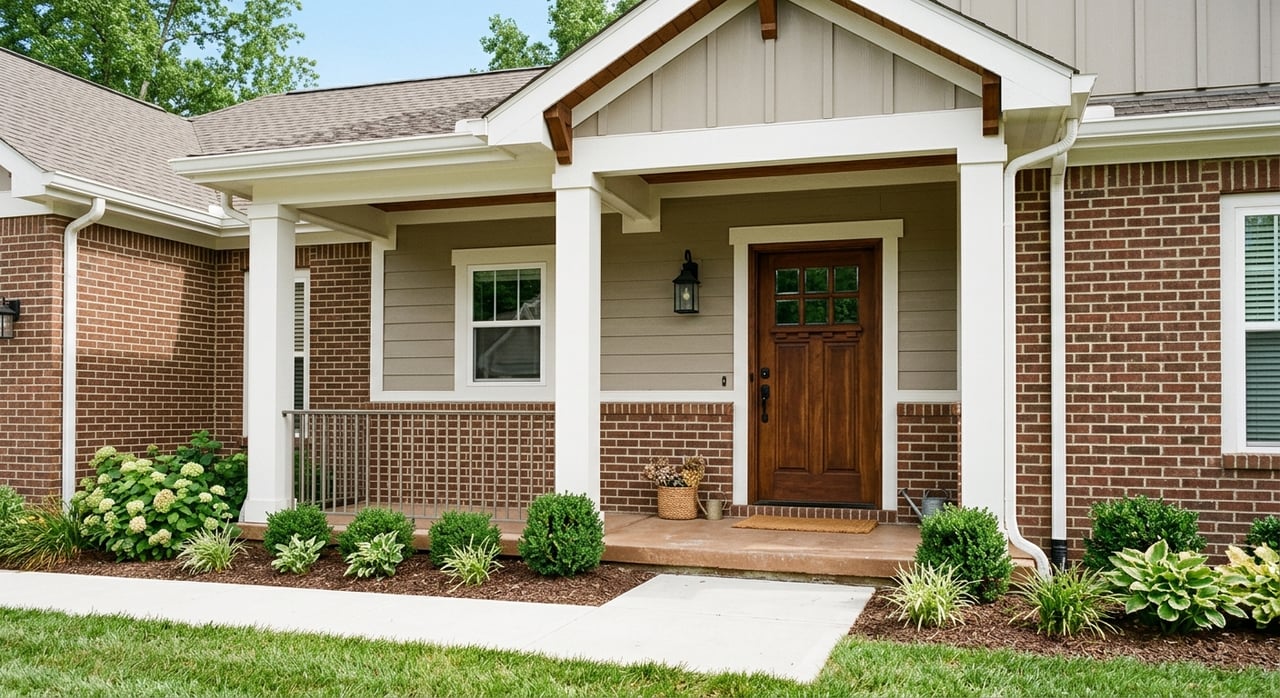
Before professional photos are taken, your home should be clean, uncluttered, and camera-ready. Windows, carpets, walls, lighting fixtures, paint touch-ups, landscaping, and the front entry can all affect how your home looks online and in person.
This step matters because buyers often form their first impression from photos. In a market like Clarksville, where homes may sit for several weeks before going under contract, a strong first impression can help you stand out.
It is smart to pull together appliance warranties, guarantees, and user manuals before your home is listed. These items can be easy to overlook, but missing paperwork can slow things down later.
You will also want to be ready for seller disclosure paperwork. Tennessee requires most residential sellers to provide either a property disclosure statement or a disclaimer statement before a purchase contract is accepted.
In Tennessee, disclosure timing matters. The state notes that the disclosure should address known defects, structural or mechanical issues, drainage or flood concerns, encroachments, environmental hazards, and unpermitted work.
Getting this right early can help avoid delays once a buyer is ready to move forward. If your home was built before 1978, lead-based paint disclosure rules also apply in most cases.
Once your home is ready, the listing goes live and buyers begin scheduling showings. This is the point where your preparation, pricing, and presentation all start working together.
For many sellers, listing week feels like the biggest milestone. In reality, it is the start of the market test, and the first couple of weeks often provide the clearest feedback.
Photos play a big role in attracting buyer attention. If your home is staged well and photographed clearly, buyers can better picture how the space works and whether it fits their needs.
Candi Borck’s process-driven approach is especially valuable here because a smooth launch depends on details. Strong listing presentation, MLS exposure, and virtual tour assets can help your home reach buyers more effectively across the Clarksville area.
As buyers tour the home, you may start hearing feedback about condition, layout, price, or competition in the area. In a balanced market, those early comments can help shape next steps.
If activity is slow, it does not always mean something is wrong. But it can be a sign to look closely at presentation, showing access, or pricing strategy.
In Clarksville, this part of the timeline deserves realistic expectations. With typical days on market around 48 to 50, many sellers should plan for more than just a single weekend of activity.
This is often where patience and good decision-making matter most. A calm, steady approach can help you avoid chasing the market or reacting too quickly to every showing comment.
If a home is priced too high at launch, it may sit longer and lose momentum. Buyers compare available homes closely, and they notice when a property has been on the market for a while.
The goal is not just to list. The goal is to position your home so it attracts serious buyers within the range of what the market supports.
Even small maintenance issues can affect buyer confidence. If buyers expect repairs, they may write a lower offer or ask for concessions later.
That is one reason preparation before listing can pay off. The fewer surprises that show up after launch, the smoother your sale may feel.
Once you accept an offer, your timeline shifts from marketing to transaction management. This stage includes earnest money, inspections, lender steps, title work, and a series of deadlines that all have to stay on track.
This is where many sellers feel relieved, but it is not the finish line yet. The home is under contract, and there are still several moving parts before closing day arrives.
After the offer is accepted, buyers typically deposit earnest money into escrow. The closing process also begins once the contract is in place and the buyer has selected a lender.
From here on, each milestone has its own timing. Delays in one area can affect the rest of the schedule.
Home inspections are common, even if they are not always required. If the inspection reveals concerns, the buyer may request repairs, ask for credits, or try to renegotiate certain terms.
This is one of the most common points where a timeline can slow down. Fast, thoughtful responses can help keep the transaction moving.
If the buyer is financing the purchase, the lender will typically require an appraisal. A title search is also a normal part of the process.
The buyer may also need homeowners insurance and title insurance before closing. These steps happen behind the scenes, but they are essential to getting from contract to closing table.
After inspections and appraisal, the transaction moves into the final stretch. Even then, closing is not automatic. Lender review, title work, and final document preparation can still affect timing.
This stage often takes several weeks or more. That is normal, and it is why sellers should avoid planning every moving detail too tightly around the earliest possible close date.
The lender must provide the Closing Disclosure at least three business days before closing. If certain loan terms change, a new three-business-day review period may apply.
That means even a late adjustment can shift the settlement date. It is one reason strong communication throughout the transaction matters so much.
Sometimes an issue shows up late in the process and there is not enough time to complete the repair before closing. In some cases, a seller may offer a closing-cost credit instead, if both sides agree.
This can be a practical way to keep the deal together. It does not fit every situation, but it can be useful when timing is tight.
By closing week, most of the big decisions are already behind you. What remains is final review, the buyer walk-through, signing, and transfer of funds.
Even at this stage, it is wise to stay detail-focused. A small issue with paperwork or agreed repairs can still create a delay if it is discovered at the last minute.
The buyer will usually complete a final walk-through before closing. This gives them a chance to confirm that agreed repairs were completed and that any items meant to stay with the home are still there.
If you are selling and moving out around the same time, this is a good reason to stay organized. Clear planning can help avoid accidental mix-ups.
At closing, the documents are signed, funds are distributed, and the sale becomes official. Depending on the transaction, the settlement agent may be a title company, escrow officer, or attorney.
This is the final step from listing to close. Once everything is signed and completed, you can hand over the keys and move on to your next chapter.
Most delays do not happen because the listing launch failed. More often, they show up in the details after the home goes live or after a contract is signed.
If you know where problems tend to happen, you can plan ahead and reduce stress.
Every sale is different, but many sellers in Clarksville can use this simple planning outline:
| Stage | Typical timing |
|---|---|
| Pre-listing prep | 2 to 4 weeks |
| Active on market | About 7 weeks on average |
| Contract to close | Several weeks or more |
The big takeaway is simple: selling your home is usually a multi-stage process, not a one-week event. If you build in time for preparation, buyer activity, and closing steps, you can make better decisions and avoid unnecessary pressure.
If you want a steady plan for your Clarksville sale, working with an agent who values process and communication can make a meaningful difference. For calm, hands-on guidance and strong listing support, connect with Candi Borck.
Stay up to date on the latest real estate trends.



Calm, strategic guidance built on trust, precision, and respect.

CANDI BORCK
ADDRESS 2010 8TH AVE S NASHVILLE TN 37204